
Walk through any health-focused grocery store today and you'll likely see an entire section devoted to drinks that promise benefits beyond simple hydration. Bottles labeled with phrases like probiotic, adaptogenic, electrolyte-enhanced, or nootropic have become commonplace. These drinks are part of a rapidly growing category known as functional beverages.
Functional beverages, or functional drinks, are drinks formulated to deliver specific health benefits beyond basic nutrition. Unlike traditional soft drinks or juices that primarily provide calories and flavor, functional beverages are intentionally designed to support aspects of health such as digestion, metabolism, cognitive performance, immune function, and recovery.
Interest in functional beverages has grown dramatically over the past decade as consumers become more proactive about their health. Many people now look for convenient ways to support their wellbeing through everyday choices, including what they drink.
This shift toward "food as medicine" has fueled a massive wave of innovation in the beverage industry. Today's functional drinks include everything from fermented gut-health tonics to herbal energy elixirs, electrolyte hydration blends, and mushroom-infused coffees.
But functional beverages are not actually a new idea. Many traditional cultures have consumed health-promoting drinks for centuries. Fermented drinks such as kombucha, kefir, and traditional herbal teas have long histories as wellness tonics in cultures around the world.
Modern functional beverages simply combine this traditional wisdom with contemporary nutrition science and modern convenience.
This guide will explore everything you need to know about functional beverages: what they are, how they work, why they are trending, and how to choose the best functional drinks based on your personal health goals.
By the end of this guide, you'll have a clear understanding of how functional beverages fit into a healthy lifestyle and which types may offer the most benefits.
What Are Functional Beverages?
A functional beverage is any drink formulated to provide health benefits beyond basic hydration or calories.
These drinks typically contain bioactive compounds that can support specific physiological functions in the body. These compounds may come from natural sources such as plants, herbs, fermented foods, minerals, or beneficial microorganisms.
Functional beverages are often designed to support one or more of the following areas:
- digestive health
- energy and mental focus
- immune support
- hydration and electrolyte balance
- metabolic health
- stress resilience
- recovery and performance
Unlike supplements that are taken in pill form, functional beverages integrate these compounds into drinks that can be consumed throughout the day; Example: #stackedwater
The appeal of this approach is simple: instead of adding another supplement to your routine, functional beverages allow people to support health goals through something they are already doing-drinking fluids.
The Evolution of Functional Beverages
Although the term "functional beverage" feels modern, the concept dates back thousands of years.
Traditional Herbal Tonics
Ancient civilizations regularly consumed plant-based drinks for medicinal purposes. Herbal infusions were commonly used in traditional systems such as Chinese medicine, Ayurveda, and indigenous healing practices.
These herbal beverages were often used to support digestion, reduce inflammation, boost energy, or promote relaxation.
Examples include:
- ginger tea for digestion
- chamomile tea for sleep
- turmeric milk for inflammation
- ginseng tonics for energy
Many of these beverages remain popular today and form the foundation for modern functional drinks.
Fermented Beverages
Fermented drinks represent another early category of functional beverages.
Cultures around the world have consumed fermented drinks containing beneficial bacteria for centuries. These beverages naturally contain probiotics that support gut health.
Examples include:
- kombucha (fermented tea)
- kefir (fermented milk drink)
- kvass (fermented grain beverage)
- tepache (fermented pineapple drink)
Interest in gut health has revived many of these traditional drinks in recent years.
The Rise of Modern Functional Drinks
The modern functional beverage market began expanding rapidly in the late 1990s and early 2000s.
Early examples included sports drinks and vitamin-fortified beverages designed to support hydration and athletic performance.
Over time, the category expanded to include:
- probiotic drinks
- energy beverages
- plant-based protein drinks
- herbal wellness tonics
Today, functional beverages represent one of the fastest-growing segments in the food and beverage industry.
Why Functional Drinks Are Trending?

Several major shifts in consumer behavior and health awareness have contributed to the explosive popularity of functional beverages.
1. Increased Focus on Preventative Health
Many people today are looking for ways to support their health before problems arise. Rather than waiting for illness to develop, consumers are increasingly interested in daily habits that support long-term wellness. Functional beverages offer a convenient way to incorporate health-supporting nutrients into everyday routines.
2. Growing Awareness of Gut Health
Research into the gut microbiome has dramatically increased public interest in digestive health.
Scientists now recognize that the trillions of microbes living in the digestive system influence many aspects of health, including immunity, metabolism, and even mental wellbeing.
This growing awareness has fueled demand for beverages that support gut health, particularly those containing probiotics, prebiotics, or fermented ingredients.
3. Declining Interest in Sugary Drinks
Traditional soft drinks have been declining in popularity as consumers become more aware of the negative health effects of excess sugar consumption.
Functional beverages often position themselves as healthier alternatives to sugary sodas and energy drinks.
Many emphasize:
- natural ingredients
- lower sugar content
- added nutrients
This makes them appealing to health-conscious consumers.
4. Convenience
One of the biggest advantages of functional beverages is convenience. Drinks can be consumed quickly and easily throughout the day, making them a simple way to support hydration and nutrient intake. This convenience factor has made functional beverages especially popular among busy individuals.
5. Influence of Wellness Culture
The rise of wellness culture, biohacking communities, and social media health trends has further accelerated interest in functional beverages. People are increasingly experimenting with different drinks designed to enhance energy, cognitive performance, recovery, or metabolic health.
Categories of Functional Beverages
Functional beverages can be grouped into several major categories depending on their intended health benefits. Understanding these categories can help you identify which types of drinks may best support your goals.
Mineral and Electrolyte Stacked Waters
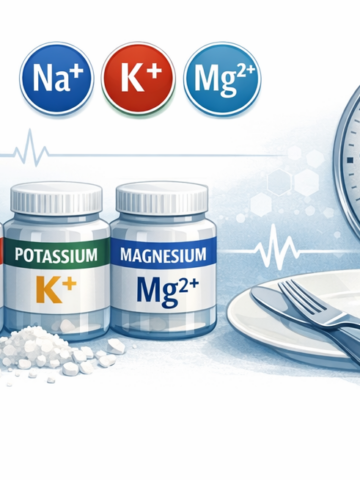
One emerging trend in the functional beverage world is "stacked water," where multiple functional ingredients are layered into plain water to create a drink that supports hydration, electrolyte balance, and metabolic health. These drinks often combine ingredients like sea salt, magnesium, citrus, and trace minerals to provide targeted benefits beyond basic hydration. These minerals play important roles in maintaining fluid balance, nerve function, and muscle contraction. Examples include mineral water blends, electrolyte powders, and coconut water-based drinks.
Gut Health Drinks
Gut health beverages focus on supporting the microbiome and digestive function. These drinks often contain probiotics (beneficial bacteria) or prebiotics (fibers that feed healthy gut microbes).
Fermented beverages are among the most common gut-supportive drinks.
Examples include:
- kombucha
- kefir
- probiotic yogurt drinks
- prebiotic fiber drinks
These beverages may help support digestion, nutrient absorption, and immune health.
Energy and Cognitive Performance Drinks
Some functional beverages are designed to enhance mental clarity, focus, and sustained energy. These drinks often contain compounds that support brain function and alertness.
Common ingredients include:
- caffeine
- green tea extracts
- adaptogenic herbs
- mushroom extracts
- amino acids
Unlike traditional energy drinks, many modern functional energy beverages emphasize smoother, sustained energy rather than sudden stimulation.
Adaptogenic Drinks
Adaptogens are plant compounds believed to help the body adapt to physical and mental stress. Adaptogenic beverages often include herbs traditionally used in herbal medicine systems.
Examples include drinks containing:
- ashwagandha
- rhodiola
- ginseng
- holy basil
These beverages are often marketed for stress resilience and energy balance. Adaptogens are increasingly being incorporated into smoothies and other functional drinks as a convenient way to include them in daily routines.
For example, in my adaptogenic superfood Matcha-Cado smoothie recipe, I combine nutrient-dense ingredients with adaptogens like astragalus and ashwagandha to support energy and stress resilience.
Recovery and Performance Drinks
Recovery beverages are designed to support muscle repair, reduce fatigue, and replenish nutrients after exercise. These drinks often contain protein, electrolytes, and amino acids that support physical recovery. Athletes frequently use these drinks after intense training sessions.
Components of a Functional Beverage
Functional beverages derive their benefits from specific ingredients that influence biological processes in the body. Below are some of the most common components found in functional drinks.
Electrolytes
Electrolytes are minerals that carry electrical charges in the body and play key roles in hydration and nerve signaling.
Important electrolytes include:
- sodium
- potassium
- magnesium
- calcium
Electrolyte beverages help maintain fluid balance and support muscle function.
Probiotics
Probiotics are beneficial bacteria that support gut health. When consumed regularly, probiotics may help maintain a balanced microbiome and support digestive health.
Fermented beverages are among the richest natural sources of probiotics.
Prebiotic Fibers
Prebiotics are fibers that nourish beneficial gut bacteria. These fibers are not digested by the body but instead serve as food for microbes in the digestive system.
Common prebiotic fibers include:
- inulin
- resistant starch
- chicory root fiber
Prebiotic beverages may help support microbiome diversity.
Adaptogens
Adaptogens are plant compounds believed to help regulate the body's stress response. These herbs have long histories in traditional medicine.
Examples include:
- ashwagandha
- rhodiola
- ginseng
- cordyceps mushrooms
These compounds are increasingly added to beverages designed to support resilience and mental clarity.
Polyphenols
Polyphenols are plant compounds with antioxidant properties. They are abundant in foods such as tea, cocoa, berries, and herbs.
Many functional beverages contain polyphenol-rich ingredients that may support cardiovascular and metabolic health.
The Best Functional Beverages by Health Goal
Different functional beverages are suited to different health goals. Below are several common goals and examples of drinks that may support them.
For Gut Health
Fermented beverages are among the most beneficial drinks for supporting digestive health.
Examples include:
- kombucha
- kefir
- probiotic smoothies
- fermented herbal tonics
These drinks provide beneficial bacteria that help maintain a balanced microbiome.
For Hydration
Electrolyte beverages and mineral-rich drinks are ideal for supporting hydration.
Examples include:
- mineral water blends
- coconut water drinks
- homemade sports drinks
These drinks help replenish essential minerals lost through sweat and daily activity.
For Energy and Focus
Certain beverages contain ingredients that support mental alertness and sustained energy.
Examples include:
- green tea drinks
- matcha beverages
- mushroom coffee blends
- cacao drinks
These drinks often provide more gradual stimulation than conventional energy drinks.
For Stress and Recovery
Adaptogenic beverages may help support stress resilience and recovery.
Examples include herbal tonics containing:
- ashwagandha
- ginseng
- rhodiola
These drinks are often consumed during periods of high mental or physical stress.
FAQ: Functional Beverages
Functional beverages are drinks designed to provide health benefits beyond basic hydration or calories. They often contain ingredients such as probiotics, electrolytes, adaptogens, or plant compounds that support specific bodily functions.
Many functional beverages can support health when made with high-quality ingredients and consumed as part of a balanced diet. However, some products may contain added sugars or artificial ingredients, so it is important to read labels carefully.
Functional beverages can complement a wellness routine but typically do not replace medical treatments or essential nutrients that may be required through supplements or diet.
Fermented beverages such as kombucha and kefir contain beneficial bacteria that may support microbiome health and digestion.
Some functional beverages contain caffeine, adaptogens, or other compounds that may help support alertness and sustained energy.
Absolutely. Stacked water qualifies as a functional beverage because it goes beyond basic hydration. By adding specific ingredients like electrolytes, vitamins, or minerals, the water is “stacked” to provide targeted health benefits-such as boosting energy or supporting metabolism-which is the core definition of a functional drink.



Leave a Reply